
Runswick Bay Rescue Boat Teams Up with Whitby Lobster Hatchery for Baby Lobster Release and Water Rescue
The collaboration between Runswick Bay Rescue Boat and Whitby Lobster Hatchery on Wednesday, 8th July, brought together marine conservation and community safety in a unique and inspiring way. On this day, the rescue boat crew took baby lobsters from the hatchery out to Runswick Bay for release, followed by a water rescue exercise with volunteers from the hatchery’s charity. This event highlights the importance of protecting marine life while maintaining readiness for emergencies at sea.
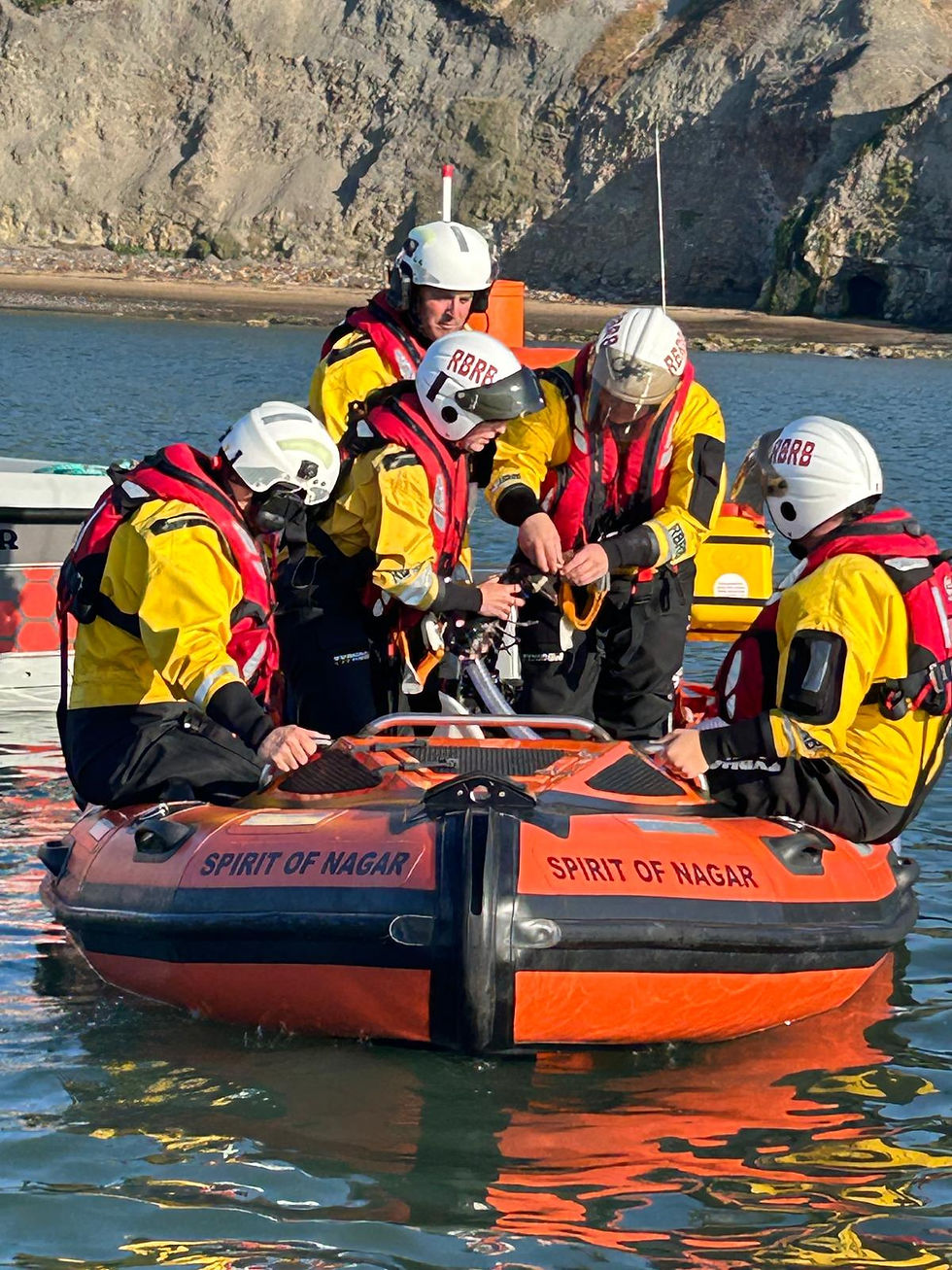
Releasing Baby Lobsters into Runswick Bay
The baby lobsters, carefully nurtured at Whitby Lobster Hatchery, were transported to Runswick Bay aboard the rescue boat. The hatchery focuses on breeding lobsters in controlled conditions to boost local populations and support the marine ecosystem. Releasing these young lobsters into their natural habitat helps sustain the species and supports local fisheries.
The rescue boat crew wore full personal protective equipment (PPE) during the operation to ensure safety and hygiene standards were met. This careful approach protected both the crew and the delicate marine creatures. The release took place in calm waters, allowing the baby lobsters to acclimate smoothly to their new environment.
Key steps in the release process included:
Transporting lobsters in temperature-controlled containers
Selecting a suitable release spot with minimal boat traffic
Gently placing lobsters into the water to avoid stress or injury
Monitoring the immediate area to observe lobster behavior post-release
This hands-on conservation effort demonstrates how local organizations can work together to protect marine life while engaging the community.
Water Rescue Exercise with Charity Volunteers
After the lobster release, the rescue boat team joined forces with volunteers from the Whitby Lobster Hatchery charity for a water rescue exercise. This practical training session aimed to improve coordination and response times in case of real emergencies in the bay.
The exercise included:
Simulated rescue scenarios involving a person in distress
Use of rescue equipment such as life rings and throw bags
Communication drills between boat crew and volunteers
Safe recovery techniques to bring individuals aboard the rescue boat
Training alongside volunteers from the hatchery charity strengthened the partnership between the two groups. It also enhanced the volunteers’ skills, preparing them to assist in future rescue operations if needed.
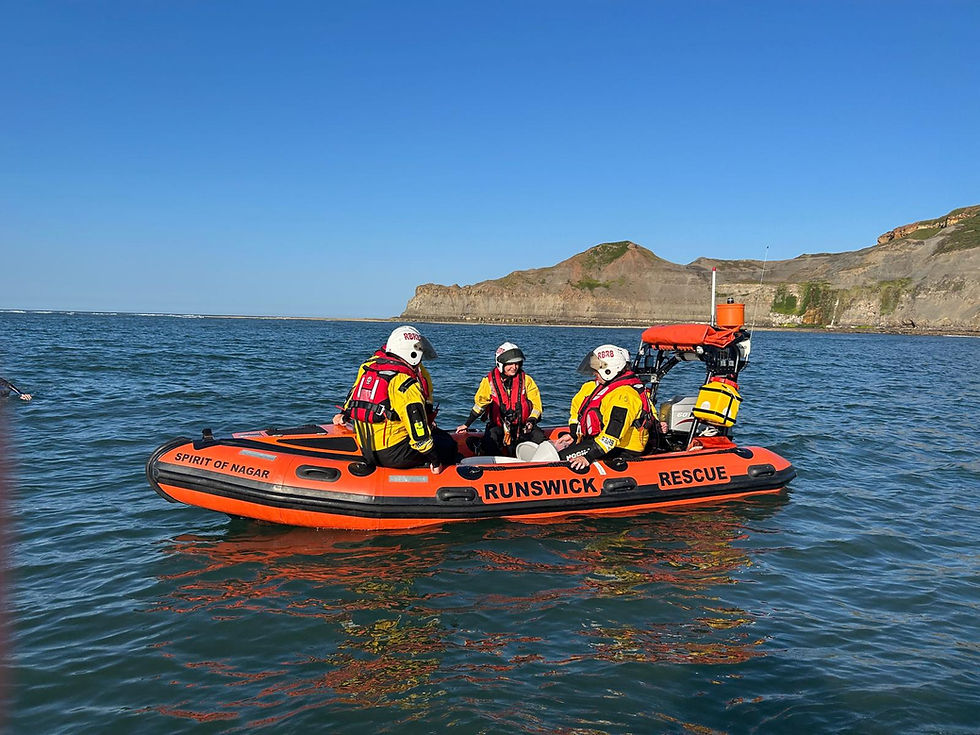
The Importance of Community Collaboration
This joint effort between Runswick Bay Rescue Boat and Whitby Lobster Hatchery reflects how community groups can combine their expertise for greater impact. The hatchery’s focus on marine conservation complements the rescue boat’s mission to protect lives at sea.
By working together, they:
Promote awareness of local marine life and its challenges
Build skills and readiness for emergency situations
Foster a sense of shared responsibility for the bay’s environment and safety
Such collaborations encourage more people to get involved in protecting coastal areas and support sustainable practices.
Looking Ahead: Supporting Marine Life and Safety
Events like the baby lobster release and water rescue exercise serve as reminders of the delicate balance between human activity and marine ecosystems. Continued efforts to nurture marine species and maintain rescue readiness will benefit both wildlife and local communities.
Those interested in supporting these initiatives can:
Volunteer with local rescue or conservation groups
Donate to charities focused on marine protection
Spread awareness about the importance of sustainable fishing and safety at sea
Together, these actions help ensure that Runswick Bay remains a thriving habitat for marine life and a safe place for all who enjoy its waters.
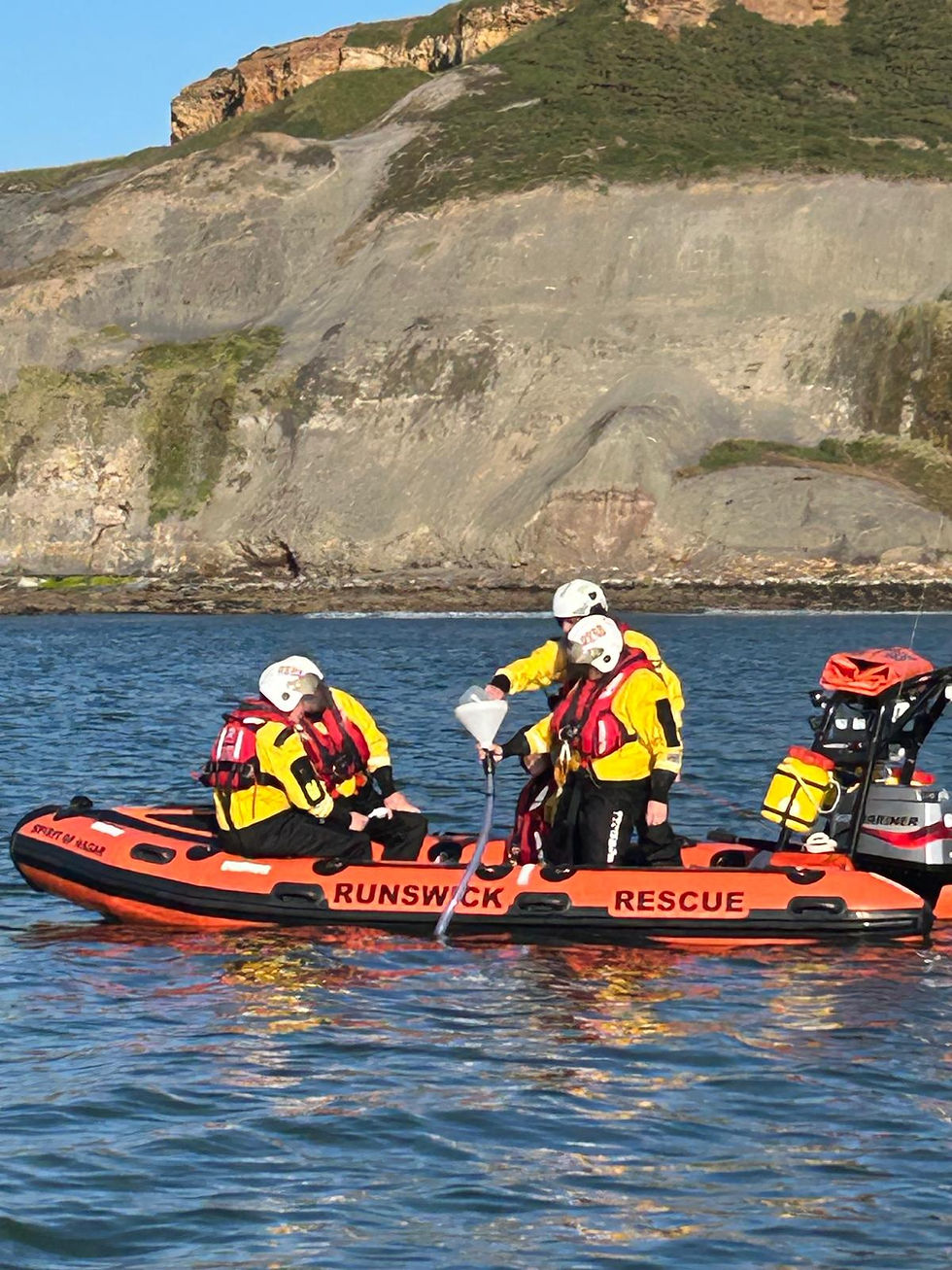
The collaboration between Runswick Bay Rescue Boat and Whitby Lobster Hatchery on 8th July shows how practical conservation and safety training can go hand in hand. By releasing baby lobsters into the bay and practicing water rescue, both groups demonstrated their commitment to preserving the marine environment and protecting lives. This partnership sets a strong example for other coastal communities aiming to balance environmental care with emergency preparedness.
Comments